Sono stata in pausa pranzo..Cibo molto buono e piatti super curati.. Il locale è grande e quindi i tavoli ben distanziati.. Il personale gentile e professionale.. Menù vario con diverse proposte che non trovi altrove..prezzi nella media.. Prendo spesso anche da asporto.. Ordino direttamente dal sito.. Servizio veloce e molto ben organizzato.. Applicano anche degli sconti ordinando on line.. Veramente consigliato..
Overview
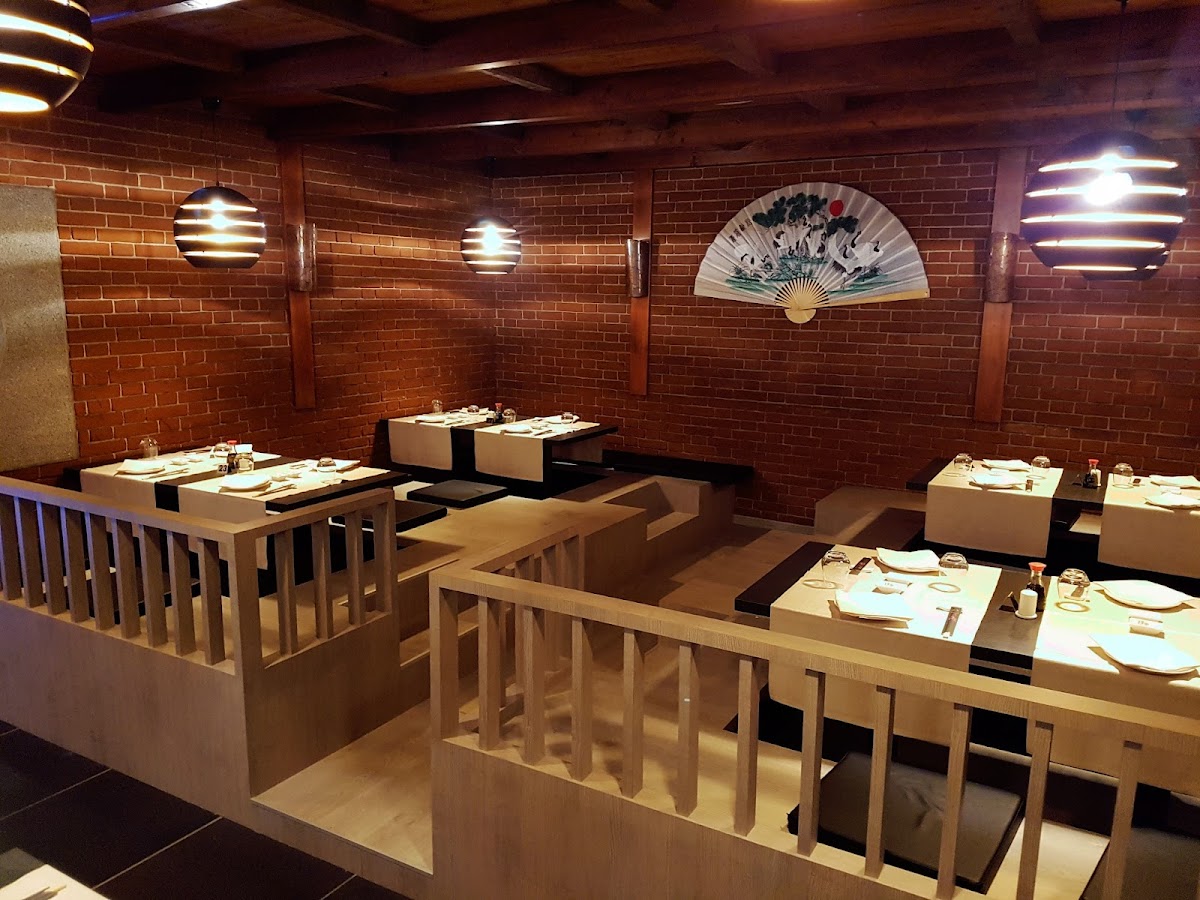
Walking into Ristorante Akiba on Via S. Francesco d'Assisi, 2, 26845 Codogno LO, Italy feels like stepping into a calm pocket of Tokyo right in the middle of Lombardy. I stopped by on a weekday evening after hearing locals talk about it in glowing reviews, and what stood out immediately was how relaxed yet focused the atmosphere felt. No rush, no noise for the sake of it-just an open dining room, soft lighting, and the quiet confidence of a kitchen that knows exactly what it’s doing.
I’ve spent years covering restaurants that blend Japanese tradition with European expectations, and Akiba follows a method I’ve seen work well in respected kitchens across Italy: keep the menu tight, source carefully, and let technique do the talking. The sushi rice alone is a good example. It’s seasoned lightly, not sweet-heavy, following guidelines commonly taught by the Tokyo Sushi Academy, which emphasizes temperature control and balance over strong vinegar notes. You can taste that restraint here, especially in the nigiri, where the rice supports the fish instead of competing with it.
One dish that stuck with me was their chef’s tasting path-often described by diners as omakase-where plates arrive in a thoughtful sequence. The process mirrors what many Japanese chefs call shokunin, a craftsman mindset built on repetition and precision. Each cut of fish was consistent, clean, and clearly handled by someone trained to respect texture and freshness. According to FAO seafood handling standards, proper cold-chain management is essential for both safety and flavor, and Akiba clearly applies those principles in practice.
Beyond raw fish, the menu opens up to warm dishes that suit Italian palates without losing authenticity. The ramen broth is slow-cooked, layered, and not overly salty, which aligns with research published by the World Health Organization on reducing excessive sodium while maintaining flavor through umami-rich ingredients like kombu and bonito. You can tell this isn’t an afterthought dish-it’s been tested, refined, and adjusted for balance.
I spoke briefly with a staff member about sourcing, and while they were honest about seasonal limits-certain fish simply aren’t available year-round-they were clear about substitutions and transparency. That kind of openness builds trust, especially in a cuisine where diners care deeply about origin and quality. It’s also something Michelin inspectors often note when evaluating consistency and credibility, even though this spot keeps things refreshingly low-key.
The dining room attracts a mix of regulars and first-timers, and reviews often mention how welcoming the service feels. That matched my experience. Questions about the menu were answered without scripts, and recommendations were based on what I actually liked, not what needed selling. For a small-town location like Codogno, that level of professionalism stands out.
Prices sit comfortably in the mid-range, which makes sense given the ingredient quality and skill involved. There are limits, of course: seating is not huge, and peak evenings can feel full quickly, so planning ahead helps. Still, that intimacy is part of the charm. It feels like a place built for repeat visits rather than one-off hype.
What stays with you after leaving isn’t just a single dish, but the overall coherence-from kitchen process to service flow. Akiba manages to respect Japanese culinary discipline while fitting naturally into the local food scene, and that balance is harder to achieve than it looks.
Good to know
Service options
✓ Outdoor seating ✓ Takeaway ✓ Dine-inHighlights
✓ Great coffee ✓ Great dessertPopular for
✓ Lunch ✓ Dinner ✓ Solo diningAccessibility
✓ Wheelchair-accessible car park ✓ Wheelchair-accessible entrance ✓ Wheelchair-accessible seating ✓ Wheelchair-accessible toiletOfferings
✓ Alcohol ✓ All you can eat ✓ Beer ✓ Coffee ✓ Healthy options ✓ Late-night food ✓ Small plates ✓ Spirits ✓ Vegan options ✓ Vegetarian options ✓ WineDining options
✓ Lunch ✓ Dinner ✓ Dessert ✓ Seating ✓ Table serviceAmenities
✓ Bar on site ✓ ToiletAtmosphere
✓ Casual ✓ Cosy ✓ Quiet ✓ TrendyCrowd
✓ Groups ✓ TouristsPlanning
✓ Dinner reservations recommended ✓ Accepts reservationsPayments
✓ Credit cards ✓ Debit cards ✓ NFC mobile payments ✓ Credit cardsChildren
✓ Good for kids ✓ High chairsParking
✓ Free of charge street parking ✓ Free parking lot ✓ ParkingPhotos
1 / 4
Location
Reviews
- No ratings yet 608 reviews
il sushi è molto buono e le portate arrivano abbastanza in fretta. Il prezzo è basso e vengono ampliamente rispettate le norme anti covid, inoltre abbiamo trovato i bagni puliti. Dopo 2 anni(di covid) riconfermo il buon rapporto qualità prezzo avendo alzato ulteriormente la presentazione dei piatti.
Ottimo, ci ha lasciati senza parole! AYCE raffinato, presentazione fantastica, sapori ottimi! Lo staff é così educato e gentile, han trattato la nostra piccolina con simpatia. Torneremo sicuramente la sera perché offre molte possibilità e sembrano delizose!
Sushi buono e porzioni abbondanti per primi e secondi. Pesce crudo senza limiti (a differenza di altri sushi dove si ha un numero limitato)
Il personale è gentile e professionale. L'offerta di piatti è ampia ed è tutto molto buono. Il servizio è rapido e l'ambiente è molto tranquillo nonostante sia molto frequentato. Facile da raggiungere, si trova appena fuori dal centro città, il parcheggio non è difficile da trovare.